4th of July Star Embroidery Design Review
First Impressions: Evaluating Patriotic Layout and Stitch Integrity
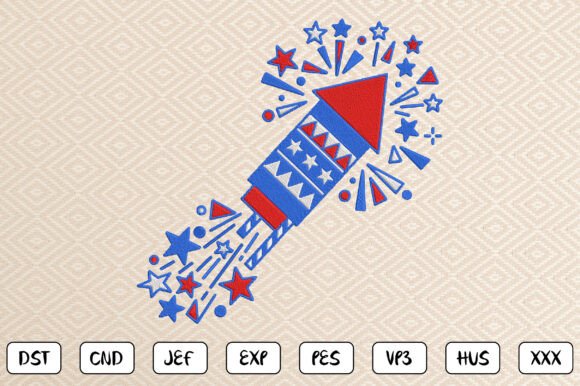
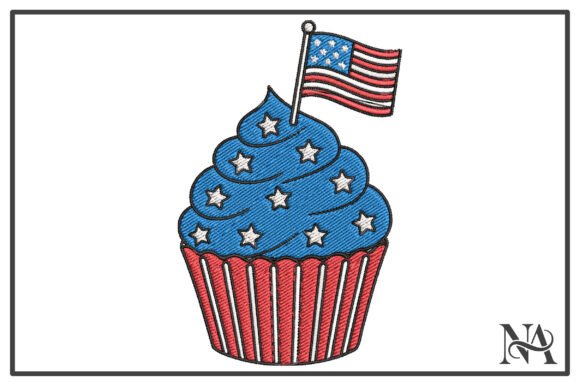
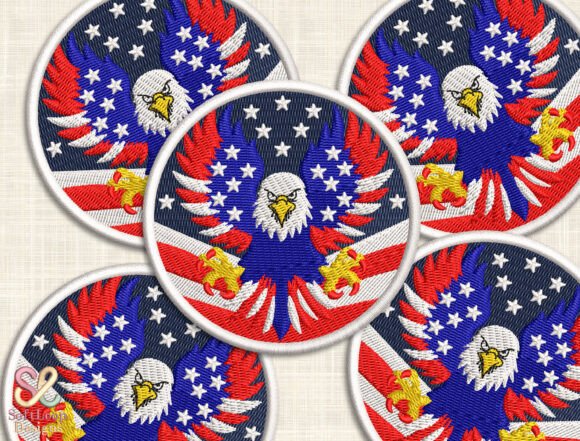
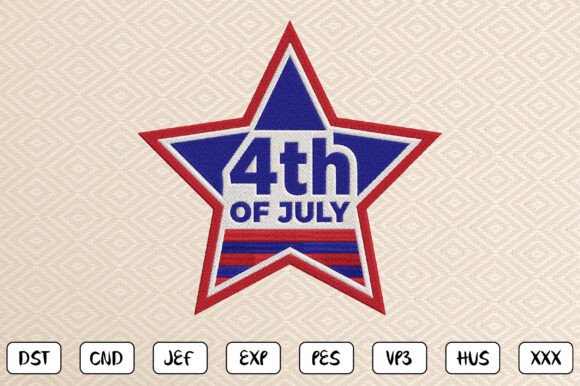
When evaluating a seasonal machine embroidery design, my primary concern is always how the digital file translates to physical thread. The 4th of July Star Embroidery Design immediately stands out because of its commitment to clean lines and a balanced patriotic layout. As a designer who has digitized and stitched countless holiday motifs, I appreciate that this design avoids the cluttered aesthetic that often plagues Independence Day graphics. The visual personality here is bold yet structured, suggesting a digitizer who understands that negative space is just as important as the satin stitch borders.
The description highlights a strong layout with balanced red and white elements. In practice, this balance is critical for stitch density. If a star design is too heavy on one side, it can cause fabric distortion or puckering, especially on lighter materials. This design appears optimized for stability, making it a reliable candidate for both personal embroidery projects and commercial production runs where consistency is non-negotiable. It feels like a classic asset that respects the tradition of the holiday while maintaining modern stitching standards.
Real-World Application: Stitching a Custom Canvas Tote Bag
To truly judge the viability of this embroidery file, I recently tested it in a real-life scenario relevant to many Etsy sellers and craft business owners. My goal was to create a premium canvas tote bag design for a summer boutique collection. Totes are high-value items, but they present specific challenges due to the coarse weave of canvas and the need for the design to remain legible from a distance.
I loaded the 4th of July Star Embroidery Design into my machine, pairing it with a medium-weight cutaway stabilizer to prevent the dense star points from pulling the fabric. The result was exceptionally crisp. Because the design features clean lines rather than overly complex shading, the red and white threads popped against the natural canvas without bleeding visually. This clarity is exactly what customers look for in a handmade product. When selling at craft fairs or online, buyers inspect stitch quality closely; any jagged edges or registration errors destroy perceived value. This design held its shape perfectly during the test run, confirming it is suitable for merchandise intended for sale.
Furthermore, the size was versatile enough to work as a central focal point on the tote, but I could also see scaling it down slightly for a pocket placement on a sweatshirt embroidery project. The versatility here adds significant ROI for small shop product lines where you want to maximize the utility of a single digital asset across multiple blanks.
Fabric Compatibility and Technical Considerations
While the 4th of July Star Embroidery Design performs beautifully on stable woven fabrics, experienced makers must be strategic about substrate selection. Not all patriotic projects are created equal, and understanding where this design thrives versus where it struggles is key to avoiding wasted materials.
- Stable Wovens: Canvas, denim, twill, and linen are ideal. The fill stitch areas will lay flat, and the star points will remain sharp. These fabrics support the structure of a bold patriotic layout best.
- Stretchy Knits: For custom apparel like t-shirts or baby onesies, proceed with caution. You must use a fusible no-show mesh stabilizer and potentially a topping to prevent stitches from sinking into the knit. Test the stitch density first; if the star is extremely dense, it may make the garment stiff or cause needle holes.
- Textured Fabrics: On terry cloth towels or fleece blankets, a water-soluble topping is mandatory. Without it, the clean lines of the star will get lost in the pile, ruining the professional finish required for a personalized gift.
- Curved Surfaces: If using this for cap or hat embroidery, verify the curvature compatibility. Stars with wide horizontal spans can distort on curved brims. Always do a sew-out on a scrap cap before committing to production.
For baby embroidery items, pay special attention to the back of the design. Even if the front looks perfect, excessive jump stitches or rough backing can irritate sensitive skin. This design’s clean layout suggests efficient stitch paths, but always trim thoroughly and consider covering the back with a soft interfacing for infant wear.
Commercial Viability for Makers and Digital Sellers
For creative entrepreneurs and digital product sellers, the value of an embroidery design extends beyond a single sew-out. The 4th of July Star Embroidery Design possesses the timeless quality necessary for long-term catalog relevance. Unlike trendy memes or dated typography, a classic star remains sellable year after year, reducing the need to constantly purchase new assets for every Independence Day season.
If you are creating printable mockups for your listings, this design’s bold contrast photographs well. High-contrast red and white elements tend to perform better in thumbnail images on platforms like Etsy, catching the buyer's eye in search results. However, before listing any finished product or reselling the digital embroidery file itself (if permitted), you must rigorously check the licensing terms. Never assume commercial rights are included. Verify whether the license covers physical goods, digital resale, or both to protect your business integrity.
Brand consistency is another factor. If your shop specializes in minimalist or traditional Americana aesthetics, this design aligns seamlessly. It reinforces customer trust because the quality matches the professional presentation of your other listings. A mismatched, low-quality design can hurt your overall shop rating, whereas a verified, high-performance design like this one enhances your reputation as a quality maker.
Essential Pre-Stitch Checklist for Professional Results
Before you hoop your final fabric, run through this practical checklist to ensure the 4th of July Star Embroidery Design meets your quality standards:
- Verify Specifications: Check the exact stitch count, dimensions, and color changes in your software. Do not rely solely on the product thumbnail.
- Test Sew-Out: Always stitch on scrap material identical to your final project. Inspect registration, tension, and density.
- Color Contrast Check: View the design in black and white within your editing software. If the star disappears or loses definition without color, the contrast relies too heavily on hue rather than value, which can be risky on certain fabrics.
- Stabilizer Match: Confirm your stabilizer choice matches the fabric weight. When in doubt, go slightly heavier rather than lighter for patriotic designs with solid fill areas.
- Hoop Size Confirmation: Ensure the design fits your hoop with adequate margin for the presser foot. Crowding the hoop edges leads to alignment issues.
- Licensing Audit: Re-read the terms of use specifically for your intended application, whether that is commercial embroidery for sale or personal gifting.
Taking these extra ten minutes prevents hours of frustration and ensures that your holiday embroidery reflects the care and professionalism your customers expect. The 4th of July Star Embroidery Design is a robust tool for celebrating Independence Day, provided it is treated with the technical respect that quality machine embroidery demands. By focusing on proper execution and appropriate application, you transform a simple digital file into a cherished, tangible piece of American craftsmanship.