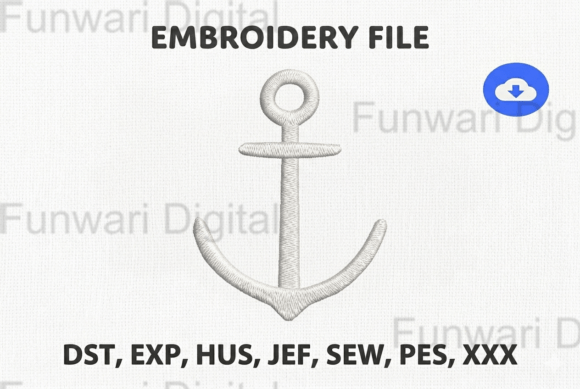
Classic Nautical Anchor Embroidery Review
As an experienced embroidery designer preparing for the upcoming weekend craft fair season, I am constantly evaluating which digital assets will translate best into physical sales. When reviewing the Classic Nautical Anchor Embroidery design, my immediate assessment focuses on its versatility and marketability for handmade vendors. This machine embroidery design presents itself as a clean, minimalist motif featuring a traditional anchor silhouette. Based on the description of being rendered in a crisp style, this design leans heavily toward a modern nautical aesthetic rather than a distressed or overly rustic look. For Etsy sellers and boutique makers, this distinction is vital because it suggests the design will appeal to customers seeking timeless coastal decor without feeling dated.
First Impressions and Booth Display Potential
When setting up a table display at a handmade market, visual clarity from a distance is paramount. The Classic Nautical Anchor Embroidery appears to have strong potential as a focal point because of its bold silhouette. In a crowded booth environment filled with colorful wares, a high-contrast anchor motif can serve as an excellent visual anchor (pun intended) for your Beach category section. Unlike intricate floral patterns that may blur when viewed from five feet away, this traditional shape reads instantly. For creative entrepreneurs, this means the design can effectively draw customers into your space. It strikes a balance between decorative and premium, making it suitable for both casual summer goods and more refined home accents.
Best Product Applications for Craft Fairs
Determining where to apply a specific embroidery file is often the difference between a sale and a pass. Through my experience with commercial embroidery and small shop product development, I have identified several high-value applications for this specific design.
- Tote Bags and Market Bags: This is arguably the strongest application. A tote bag design needs to be recognizable and durable. The classic anchor serves as a perfect centerpiece for canvas or linen market bags, appealing to shoppers looking for reusable, stylish beach gear.
- Tea Towels and Kitchen Linens: Tea towel embroidery is a staple for craft fairs. Because this motif is described as minimalist, it will not overwhelm the functional nature of a kitchen towel. It pairs exceptionally well with navy, white, or natural linen fabrics, creating a cohesive coastal kitchen collection.
- Apron Embroidery: For vendors selling chef or hostess aprons, placing this design on the chest or lower pocket area adds a touch of personality without compromising professional utility. It signals "seafood dinner" or "summer hosting" immediately to the buyer.
- Embroidered Patches and Caps: If you produce wearable items, this design’s crisp lines make it a candidate for patches or hat fronts. However, cap embroidery requires careful consideration of curve distortion, which leads us to technical execution.
Production Practicalities and Technical Considerations
While the aesthetic is appealing, the practical side of running an embroidery business demands scrutiny of stitch density and fabric compatibility. Even though the Classic Nautical Anchor Embroidery is marketed as crisp and high-quality, every machine and fabric combination behaves differently. Before committing to batch production for a fair, you must evaluate the digitizing quality relative to your intended substrate.
For textured towels or thick canvas tote bags, ensure the design has adequate underlay stitches to prevent the fabric texture from showing through the satin columns. Conversely, if you plan to use this on lightweight pouches or pillow covers, check that the stitch density isn't so heavy that it causes puckering or bulletproofing. As a digital embroidery file user, always verify the hoop size requirements before purchasing or stitching. Nothing halts production faster than realizing a design is too large for your standard 4x4 hoop when you planned to mass-produce small giftable handmade items.
Careful Use Notes for Makers
There are specific scenarios where caution is advised with this type of nautical motif. If you intend to resize the design significantly smaller for tags or cuffs, tiny details in the anchor's flukes or ring may get lost or cause thread breaks. Always test scale adjustments on scrap fabric first. Additionally, dark fabrics require high contrast thread colors to maintain that "crisp" appearance mentioned in the product description; a navy anchor on a black bag will disappear in low-light fair conditions. Finally, confirm your commercial licensing terms. While many designers allow finished product sales, some restrict the use of their design assets for printable mockups or digital resale. Protecting your business starts with respecting intellectual property.
Visual Appeal and Customer Engagement
The success of a craft fair product often hinges on how well it photographs for online listings and how it feels in person. The Classic Nautical Anchor Embroidery supports strong brand consistency because of its traditional geometry. It allows you to build a recognizable collection across different product types. When a customer sees the same anchor motif on a tea towel, a tote bag, and a patch, they perceive your shop as curated and professional rather than scattered.
For Etsy sellers relying on digital previews, this design’s clean lines make it ideal for creating accurate printable mockups. Minimalist designs generally render better in digital previews than complex shading, reducing the gap between customer expectation and the finished product. At the booth, this translates to trust. When the physical item matches the crispness promised by the design's reputation, perceived value increases. Customers are more likely to pay a premium price for handmade goods when the embroidery looks intentional, neat, and commercially viable.
Designer Checklist for Success
To maximize the return on investment for this machine embroidery design, follow this pre-production protocol:
- Test Stitch on Target Fabric: Never assume a design works on all materials. Run a sample on the exact tote bag or towel you plan to sell to check registration and tension.
- Evaluate Stabilizer Choices: Match your stabilizer to the fabric weight. Use cut-away for stretchy knits and tear-away for stable woven linens to ensure the anchor remains crisp after washing.
- Check Thread Contrast: View your thread selection under both natural daylight and indoor lighting to ensure visibility and aesthetic alignment with the nautical theme.
- Create Real Mockups: Photograph your actual test stitch rather than relying solely on software renders. Authentic photos perform better for handmade product marketing.
- Verify Licensing: Double-check that your purchase includes rights for commercial embroidery and finished product sales before listing items in your shop.
Ultimately, the Classic Nautical Anchor Embroidery represents a solid asset for the Beach and Embroidery niche. Its strength lies in its adaptability and timeless appeal. By approaching this design with a critical eye toward production realities and market trends, craft fair sellers and digital creators can turn a simple anchor motif into a profitable cornerstone of their seasonal inventory. Whether you are stocking an Etsy shop or filling a booth table, this design offers the reliability and style necessary for successful handmade sales.