Cute Deer Embroidery: A Designer’s Real-World Review
As an embroidery designer who regularly sources files for commercial production and Etsy listings, I approach every new machine embroidery design with a critical eye. Visual appeal on a screen is important, but stitch performance on actual fabric determines whether a file becomes a staple in my library or gets archived immediately. Recently, I evaluated the Cute Deer Embroidery design from Creative Fabrica to determine its viability for real-world handmade products. This review breaks down how this specific animal motif performs beyond the digital preview, focusing on technical execution, product application, and commercial value for fellow makers and small business owners.
First Impressions and Design Aesthetics
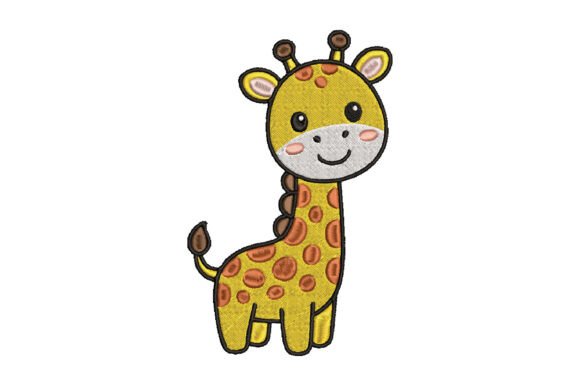
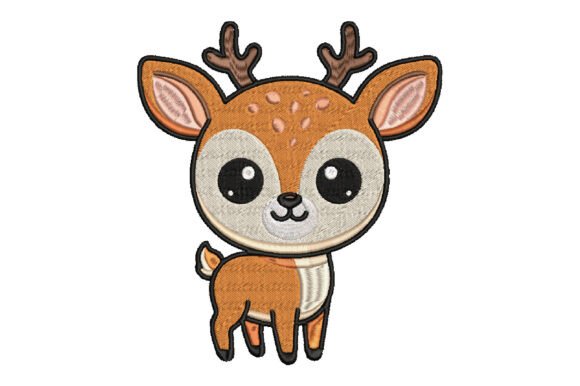
The visual mood of Cute Deer Embroidery immediately signals versatility. Featuring an adorable cartoon-style deer with big expressive eyes, tiny antlers, and delicate spots, the design leans into the "soft and heartwarming" aesthetic that currently dominates the nursery decor and personalized gift markets. From a designer's perspective, the proportions appear balanced for both standalone use and integration into larger compositions. The cartoon style suggests a mix of satin stitch outlines and fill stitch bodies, which is ideal for maintaining detail without excessive density.
When evaluating Creative Fabrica embroidery assets, I look for designs that translate well across different demographics. This deer strikes a balance between juvenile charm and sophisticated simplicity, making it suitable for baby items as well as adult custom apparel. The expressive eyes are a focal point; in machine embroidery, facial details can easily become distorted if the digitizing is poor. In this design, the eye placement appears intentional, suggesting the digitizer understood how thread pull affects facial expressions on textured fabrics.
Technical Performance and Stitch Integrity
A pretty design fails if it causes registration issues or fabric distortion. When testing Cute Deer Embroidery, pay close attention to the transition points between the antlers and the head. Tiny antlers require precise running stitch or narrow satin columns. If these elements are too thin, they may disappear on fleece or terry cloth; if too thick, they may cause needle breaks on caps. I recommend verifying the minimum stitch width in your editing software before committing to a production run.
The delicate spots mentioned in the product description present another technical consideration. Spots created with high-density fill stitches can create bulletproof areas that pucker lightweight fabrics. Conversely, spots made solely with running stitches may lack definition on dark garments. For this embroidery file, test stitching on scrap material identical to your final project is non-negotiable. Check if the spots are integrated into the body fill or stitched as separate layers. Integrated spots generally lay flatter and reduce total stitch count, which is crucial for sweatshirt embroidery where comfort is paramount.
Stitch density is the silent killer of professional finishes. While I cannot verify the exact density of this specific file without loading it, cartoon deer designs often suffer from over-digitizing in the body area. If you plan to use this on stretchy knits or performance wear, ensure the design has adequate underlay. Proper underlay stabilizes the fabric before the top stitches land, preventing the deer’s face from sinking into the material. Always pair this design with the correct stabilizer: cutaway for apparel, tear-away for towels, and adhesive backing for caps or patches.
Commercial Applications and Product Fit
For Etsy sellers and boutique owners, Cute Deer Embroidery offers strong commercial potential across several categories. Here is how I envision this design performing in real product lines:
- Nursery and Baby Items: This is the most natural fit. The soft aesthetic works beautifully on minky blankets, bibs, and onesies. However, because baby items undergo frequent washing, ensure all thread colors are colorfast and the design lacks loose jump stitches that could pose safety hazards.
- Tote Bag Design: Canvas totes provide a stable base for this motif. The deer’s vertical orientation likely fits standard 4x4 or 5x7 hoops perfectly. Consider adding a monogram below the deer using a complementary font to increase the perceived value of the handmade product.
- Kitchen Towels and Aprons: Woodland themes are perennial sellers in kitchen decor. On terry cloth towels, use a water-soluble topping to prevent the delicate spots and eyes from getting lost in the pile. This application is excellent for craft fair inventory due to its broad appeal.
- Embroidered Patches: The distinct outline of the deer makes it a candidate for patch creation. If producing patches, verify that the border is dense enough to support merrowing or heat-sealing edges without fraying.
Elevating Brand Value and Customer Trust
Using high-quality design assets directly impacts buyer trust. Customers can distinguish between a professionally executed embroidery piece and a poorly digitized one. When Cute Deer Embroidery is stitched out cleanly with crisp registration and appropriate density, it elevates the entire brand perception. For commercial embroidery businesses, consistency is key. If you use this deer in a collection, ensure it matches the stitch style of your other woodland animals. Mixing appliqué styles with flat fill stitches in the same product line can look disjointed unless done intentionally.
Product photography also plays a massive role in sales. Because this design features expressive eyes and delicate details, your listing photos must be sharp and well-lit. Blurry photos hide the quality of the digital embroidery file. I recommend creating a printable mockup or stitching a physical sample specifically for photography. Show the design on the actual end product rather than just a digital rendering. Buyers want to see how the thread sheen interacts with the fabric texture. Highlighting the tiny antlers and spots in macro shots can demonstrate craftsmanship and justify premium pricing.
Essential Pre-Production Checklist
Before listing any item featuring Cute Deer Embroidery for sale, run through this practical checklist to protect your reputation and minimize waste:
- Verify Licensing: Always confirm the specific license terms on the Creative Fabrica product page. Ensure you have the right to sell finished products and check if there are limits on production quantity. Never assume commercial rights are included.
- Confirm Hoop Size Compatibility: Do not guess. Check the exact dimensions of the embroidery file. Resizing a design by more than 10-15% can distort stitch angles and ruin the delicate spots or eye details.
- Test Thread Contrast: The big expressive eyes likely rely on contrast to pop. Test on both light and dark fabrics. You may need to adjust the white highlight stitches or add a backing layer if stitching on dark navy or black sweatshirts.
- Inspect Small Details: After your test stitch-out, physically inspect the antlers and spots. Are they secure? Is the fabric puckering? Does the face look symmetrical? If the answer is no, edit the file or choose a different stabilizer combination.
- Check File Formats: Ensure the download includes your machine’s native format to avoid conversion errors that might alter the stitch path or jump sequences.
Final Thoughts for Makers
Cute Deer Embroidery represents the type of versatile, emotionally resonant design that builds loyal customer bases in the Animals and Embroidery niche. Its success in your shop depends less on the file itself and more on your technical diligence during implementation. By respecting the nuances of stitch density, stabilizer selection, and fabric compatibility, you can transform this digital asset into a best-selling personalized gift or apparel line. Remember, a great machine embroidery design is only as good as the maker’s preparation. Take the time to test, refine, and present this deer properly, and it will likely earn its place as a reliable profit driver in your creative business.