Cute Watermelon Embroidery Design: A Maker's Review
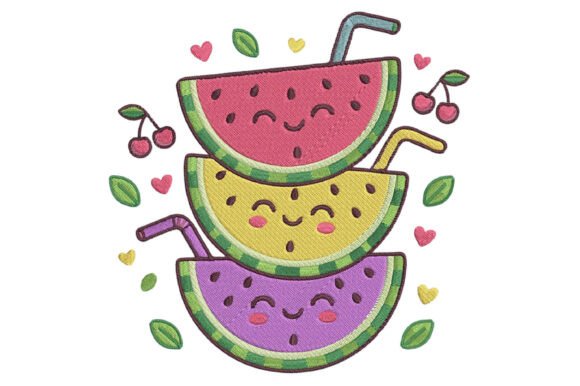
As a professional embroidery designer and product reviewer, I approach every new machine embroidery design with a critical eye. It is not enough for a graphic to look appealing on a screen; it must translate beautifully through needle and thread onto physical fabric. When evaluating the Cute Watermelon Embroidery Design, my primary focus is on how this playful motif performs in real-world production scenarios. Featuring three colorful watermelon slices stacked together, this design immediately suggests a cheerful, nostalgic summer aesthetic. However, for small business owners, Etsy sellers, and hobbyists, the true value lies in its stitch-out quality, versatility across different substrates, and commercial viability.
First Impressions and Visual Personality
Upon opening the embroidery file, the layout of the three stacked slices creates an instant focal point. This vertical stacking is a smart design choice for specific applications like tote bags or shirt pockets where horizontal space is limited. The mood is undeniably lighthearted, making it an excellent candidate for custom apparel and children’s items. Visually, the separation between the slices allows for negative space, which prevents the design from feeling too heavy or dense. For a handmade product, this breathing room is essential to maintain fabric drape and prevent puckering. The personality of the design leans towards retro-kitsch or modern farmhouse, depending entirely on your thread color choices and placement.
Real-World Application: Stitching a Market Tote
To truly judge this tote bag design, I mentally simulated a production run for canvas market totes intended for a local craft fair. Canvas is a textured, unforgiving fabric that demands precision. In this scenario, the stacked watermelon motif serves as a perfect centerpiece. Because the design features distinct shapes rather than intricate micro-details, it reads clearly from a distance—a crucial factor for vendor booths and retail displays.
When stitching this onto natural cotton canvas, I would anticipate using a medium-weight cutaway stabilizer to support the fill areas without distorting the bag's structure. The stacked nature of the slices means the machine travels vertically, which can sometimes cause registration issues on stretchy fabrics. However, on stable canvas, this layout should hold crisp edges. For an Etsy seller creating seasonal merchandise, this design offers high perceived value because the multi-element composition looks more complex and intentional than a single fruit icon, justifying a higher price point for the finished product.
Fabric Compatibility and Technical Considerations
While versatile, the Cute Watermelon Embroidery Design requires careful substrate selection. Not all fabrics will yield professional results without modification.
- Stable Wovens: Cotton, linen, denim, and canvas are ideal. These fabrics support fill stitch areas well and allow the vibrant colors to pop against a neutral background.
- Knits and Stretch Fabrics: If applying this as sweatshirt embroidery or on baby onesies, you must use appropriate stabilizers. The vertical stack adds weight; without adequate support, the garment may sag. Consider reducing density if the knit is lightweight.
- Textured Surfaces: Terry cloth towels or fleece blankets present challenges. The detail in the seeds or rind could get lost in the pile. Using a water-soluble topping is non-negotiable here to keep stitches visible and defined.
- Curved Items: Be cautious when hooping caps or curved sleeves. The straight vertical alignment of the stacked slices might appear distorted on a highly curved surface. Test on a similar curve first to ensure the geometry remains pleasing.
Navigating Hoop Sizes and Density
Before committing to a project, verify that the design fits your available hoop size with adequate margin. Overfilling a hoop leads to tension problems and poor registration. Furthermore, inspect the stitch density. If you plan to use this for baby embroidery or lightweight summer tees, a standard density might be too abrasive or stiff. Many digitizers provide multiple sizes; always choose the one closest to your final print size rather than resizing significantly in software, which can alter stitch integrity. For commercial embroidery businesses running high-volume orders, checking jump stitches and trim commands within the file is vital to reduce production time and finishing labor.
Enhancing Product Value and Brand Consistency
For creative entrepreneurs and makers, consistency builds trust. This watermelon motif has strong potential as part of a cohesive Summer collection. Imagine pairing this design with matching lemon or strawberry motifs to create a bundled set of kitchen towels or nursery decor. The "cute" factor appeals strongly to gift buyers. When used as a personalized gift, such as a monogrammed apron or bib, the friendly imagery softens the customization, making it feel bespoke rather than industrial.
From a marketing perspective, this design photographs exceptionally well. The bold colors and recognizable shape make for engaging social media content and clear printable mockup visuals. Buyers scrolling through feeds need to understand what the product is instantly; the clarity of these stacked slices achieves that better than subtle, tonal designs. For digital product sellers offering the file itself, providing accurate photos of actual stitch-outs (not just digital renders) establishes credibility and reduces customer service inquiries regarding stitch quality.
Designer Notes for Successful Execution
Based on my experience reviewing and testing embroidery assets, adhere to these practical guidelines when using the Cute Watermelon Embroidery Design:
- Always Test Stitch: Never run this design directly onto a final product without a test on scrap fabric of identical weight and texture. Check for gaps between the rind and flesh sections, and ensure the seeds are securely anchored.
- Thread Color Strategy: The description mentions "colorful," but verify the specific palette. Test contrast against both light and dark backgrounds. Neon threads can look cheap on some fabrics, while matte cotton threads can elevate the design to a premium, artisanal level suitable for boutique branding.
- Stabilizer Matching: Do not rely solely on tear-away for fill-heavy designs. Cutaway provides permanent stability for washable items like apparel and linens. For sheer or delicate fabrics, consider organza or mesh stabilizers to reduce visibility.
- Licensing Verification: Before selling finished goods or the digital embroidery file itself, confirm the license terms. Ensure you have commercial rights for the specific volume and type of sales you intend. Protecting your craft business legally is as important as stitch quality.
- Maintenance Testing: Wash and dry your test swatch. Watermelon reds and greens can bleed or fade. Confirm that the thread colors remain vibrant and that the design does not pucker after laundering. Customers expect durability from handmade items.
Final Verdict for Makers and Sellers
The Cute Watermelon Embroidery Design represents a solid asset for anyone in the textile decoration space. Its stacked composition solves common layout challenges, and its thematic appeal aligns perfectly with seasonal demand. Whether you are producing embroidered patches for resale, customizing holiday embroidery gifts for July 4th picnics, or expanding your digital catalog, this design offers flexibility. Success depends less on the design itself and more on your technical execution. By respecting fabric limitations, verifying stabilizer choices, and maintaining rigorous quality control, you can transform this digital file into a profitable, professional-grade product that delights customers and strengthens your brand reputation.