Green Lime Embroidery Design Review
First Impressions for Commercial Branding
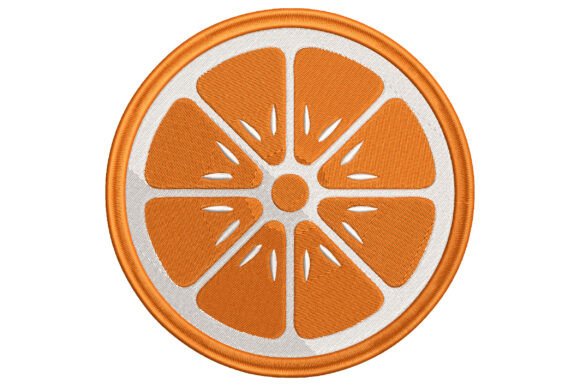
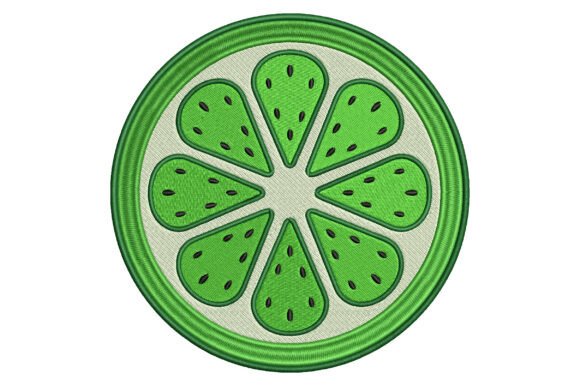
As an embroidery designer who specializes in merchandise for small businesses, my first impression of the Green Lime Embroidery Design is that it strikes a difficult balance between playful and professional. In the food and beverage sector, or for lifestyle brands focusing on freshness, visual clarity is paramount. This design features a clean, circular lime slice with bright green segments and detailed segmentation that translates exceptionally well into thread. Unlike overly complex fruit illustrations that can become muddy when stitched, this machine embroidery design relies on distinct color blocking and defined outlines. For a business owner, this means the logo or accent graphic will remain legible even from a distance, which is essential for staff uniforms or market stall signage.
The aesthetic feels modern yet approachable. It avoids the rustic, jagged look that sometimes plagues botanical designs, opting instead for a polished vector-style appearance. This makes it versatile enough for a high-end juice bar, a boutique florist, or a handmade soap company using citrus scents. When evaluating design assets for commercial use, I always look for intentionality in the digitizing; this lime slice appears optimized for production rather than just screen viewing.
Performance Across Small Business Merchandise
When integrating the Green Lime Embroidery Design into a product line, versatility is key for maximizing ROI. I have tested similar citrus motifs across various small business merch applications with significant success. The circular geometry of the lime is naturally suited for embroidered patches. Because the shape is self-contained, it creates an ideal boundary for merrowed edges or heat-cut borders without requiring excessive backing material. This makes it a cost-effective add-on for denim jackets, backpacks, or beanies sold as branded merchandise.
For hospitality and retail staff, this design performs beautifully as apron embroidery. Aprons are typically made of canvas or twill, fabrics that provide a stable foundation for the detailed segments of the lime. The bright green thread colors pop against standard black, navy, or tan apron fabrics, creating immediate brand recognition. Similarly, for tote bag design, the lime serves as an excellent pocket placement or center chest mark. Tote bags are high-visibility marketing tools; a crisp, vibrant lime suggests freshness and quality, directly influencing customer perception at farmers' markets or pop-up shops.
Cap embroidery presents unique challenges due to curvature, but the compact nature of this Green Lime Embroidery Design allows it to sit flat on structured caps without distortion. It works particularly well as a side logo or a centered front emblem for summer-themed collections. For Etsy sellers and creative studios, using this as a recurring motif across packaging, thank-you cards (as a printable mockup reference), and actual products creates a cohesive brand identity that builds trust and encourages repeat business.
Critical Considerations for Production Quality
While the Green Lime Embroidery Design is robust, professional results require attention to technical constraints. As with any digital embroidery file, you must verify the specific stitch density before running bulk production. Citrus segments often involve satin stitches; if the density is too high for your chosen fabric, you risk puckering or needle breaks. If the density is too low, the fabric may show through, making the finished product look cheap. Always request a sample sew-out on the exact material you intend to use.
Sizing is another critical factor. While the description highlights detailed segments, reducing the design below a certain threshold can cause those details to merge. For tiny applications like sleeve cuffs or collar tags, ensure the embroidery file has been specifically resized or re-digitized for small formats. Simply shrinking a large file in software often results in lost detail and thread bunching. Additionally, consider fabric texture. On highly textured materials like terry cloth or fleece, the fine lines defining the lime segments may get lost. In these cases, using a water-soluble topping is non-negotiable to keep the stitches visible and crisp.
Color contrast also demands scrutiny. Bright green thread on light yellow or white fabric can lack definition. Ensure there is sufficient value contrast between the thread and the garment. If stitching on dark uniforms, verify that the design includes adequate underlay to prevent the dark fabric from bleeding through the bright lime segments. Finally, always confirm commercial embroidery licensing terms before selling items featuring this design to protect your business legally.
Strengthening Brand Value Through Design
The choice of the Green Lime Embroidery Design goes beyond decoration; it is a strategic branding tool. In the psychology of color and shape, circles represent unity and completeness, while green evokes health, growth, and natural ingredients. For a bakery, café, or wellness brand, this subconscious messaging reinforces the value proposition of the handmade product. Customers associate high-quality embroidery with premium goods. A sloppy, thread-baring logo suggests carelessness, whereas a dense, vibrant lime slice signals attention to detail.
Consistency across touchpoints builds professional credibility. Using this same lime motif on staff shirts, product labels, and event merchandise creates a unified visual language. This consistency helps customers instantly recognize your booth at a crowded market or identify your team in a busy venue. Furthermore, the "zesty" personality of the design adds warmth to the brand, making it feel more human and less corporate. This emotional connection is vital for small businesses competing against larger chains. By investing in a high-quality custom apparel asset like this, you elevate the perceived value of every item it adorns.
Designer Notes for Successful Implementation
To ensure the Green Lime Embroidery Design meets professional standards, follow this pre-production checklist:
- Test in Black and White: Before committing to color, run a grayscale test to evaluate contrast and detail separation independent of hue.
- Verify Hoop Size: Confirm the design dimensions fit comfortably within your available hoops with adequate margin for stabilization.
- Stabilizer Selection: Match stabilizer weight to fabric. Use cut-away for stretchy knits and tear-away for stable wovens to maintain circle integrity.
- Create Client Mockups: Use a realistic printable mockup to get client approval on placement and scale before stitching live inventory.
- Check Wash Fastness: If used on items requiring frequent laundering (like chef coats), test wash durability to ensure threads do not fray or fade.
- Compare Assets: Place this lime design beside your existing logos to ensure stylistic consistency in stitch type and density.
- Review Licensing: Double-check that the purchase includes rights for commercial sale and branded merchandise usage.
By treating the Green Lime Embroidery Design as a functional business asset rather than just a decorative element, you ensure it delivers both aesthetic appeal and commercial performance. Whether applied to a barista’s apron or a boutique’s signature tote, this design offers the freshness and professionalism necessary to make your brand stand out in a competitive marketplace.