Lucky Vibes Embroidery Design: A Business Review
As an embroidery designer who specializes in commercial branding and small business merchandise, I approach every new machine embroidery design with a critical eye. It is not enough for a graphic to simply look good on a screen; it must perform under the needle and serve a strategic purpose for the client. When evaluating the Lucky Vibes Embroidery Design, my primary focus is its versatility beyond seasonal decoration. While the description highlights St Patrick S Day apparel and trendy outfits, I see significant potential for year-round brand identity applications. This review breaks down how this specific embroidery file performs in real-world production scenarios for cafes, boutiques, florists, and creative studios looking to infuse positive energy into their branded assets.
Visual Personality and First Impressions
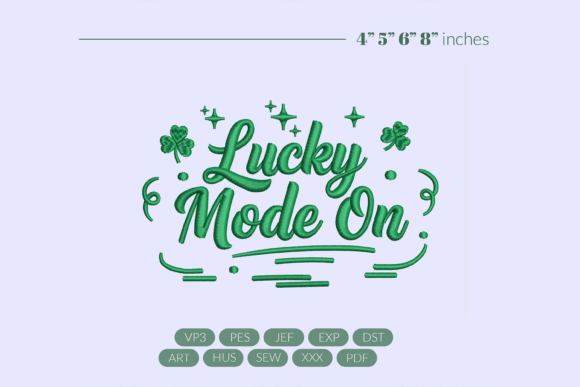
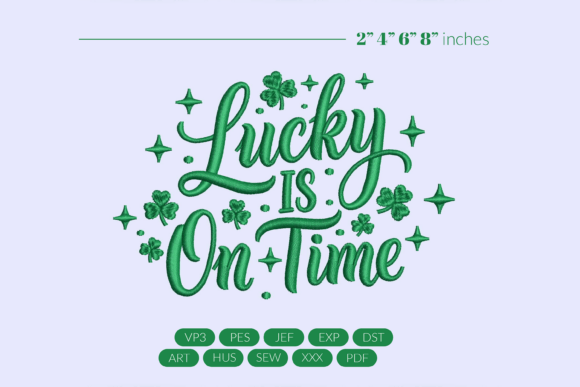
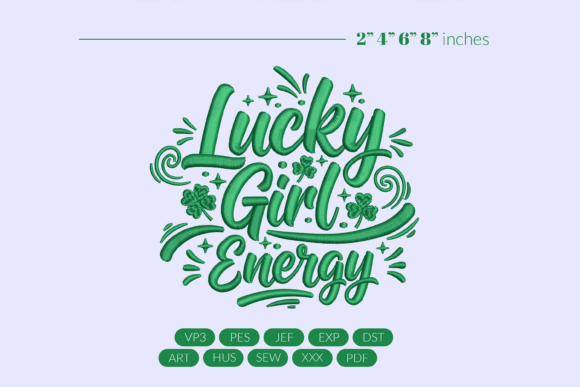
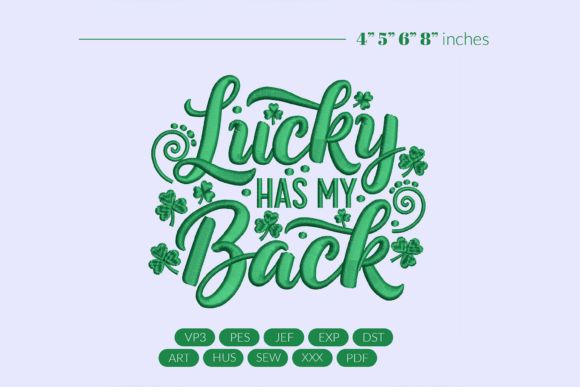
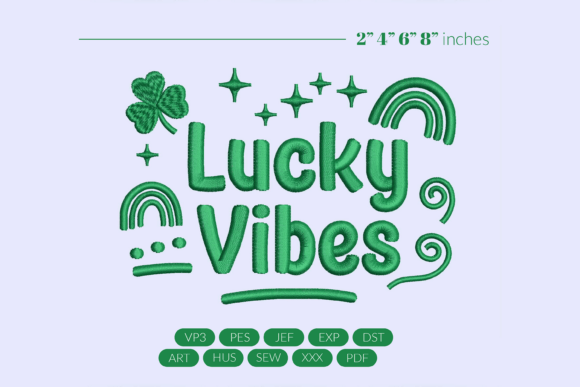
The first impression of the Lucky Vibes Embroidery Design is undeniably friendly yet commercially viable. The combination of bold lettering with playful shamrock elements strikes a balance between festive and professional. For a small business owner, this aesthetic is crucial. It avoids looking like cheap clip art and instead presents as a curated handmade product accent. The bold typography suggests that the design was digitized with legibility in mind, which is the cornerstone of effective custom apparel. From a designer’s perspective, the "lucky" theme translates well to businesses that want to project warmth, hospitality, and optimism. Whether you are running a bakery, a pet grooming salon, or an Etsy shop, this visual tone communicates approachability without sacrificing brand authority.
Strategic Applications for Small Business Merch
In my experience outfitting local businesses, the Lucky Vibes Embroidery Design offers remarkable flexibility across various small business merch categories. Here is how I envision this design performing in specific commercial contexts:
- Staff Uniforms and Aprons: For cafes and bistros, this design works exceptionally well as a left-chest logo or an apron embroidery placement. The bold text ensures staff members are easily identifiable, while the shamrock motif adds a layer of personality that standard corporate logos often lack. It transforms a uniform from a mandatory garment into a conversation starter.
- Retail Tote Bags: As a tote bag design, this artwork serves as a walking billboard. Because the lettering is described as bold, it maintains readability even when the bag is crumpled or viewed from a distance. This is ideal for florists or market vendors who need their branding to pop against natural canvas textures.
- Patches and Labels: One of the most valuable uses for this file is creating an embroidered patch. Small businesses can use these patches on packaging, product tags, or as value-add stickers for customer orders. The playful nature of the design makes it perfect for unboxing experiences, enhancing the perceived value of a finished product.
- Cap Embroidery: Headwear requires designs that are centered and balanced. The layout of Lucky Vibes appears suitable for cap embroidery, provided the hoop size accommodates the curve. This application is perfect for event merch or outdoor markets where sun protection meets brand visibility.
Production Considerations and Technical Limits
While the aesthetic is strong, any professional embroiderer knows that execution matters more than concept. When using the Lucky Vibes Embroidery Design for commercial projects, there are specific technical boundaries to respect. The interplay between stitch density and fabric texture will dictate your success rate.
You must exercise caution when resizing this design for tiny applications. Bold lettering can become illegible if reduced below a certain threshold due to thread thickness and satin stitch limitations. Always verify the minimum recommended size within your software before attempting micro-patches. Additionally, consider the substrate. On textured fabrics like terry cloth or heavy canvas, the playful shamrock details may get lost unless you adjust your stabilizer strategy. For commercial embroidery on dark uniforms, ensure the thread colors provide sufficient contrast; a green shamrock on a navy apron might require a white outline or backing to remain visible.
Curved surfaces present another challenge. If applying this to caps or sleeves, test the distortion settings. Designs optimized for flat hooping may warp on curved frames. As a designer, I always recommend checking the digital file's properties to confirm it includes adequate underlay for the intended fabric weight before running a full production batch.
Impact on Brand Identity and Customer Trust
Why choose a thematic design like Lucky Vibes over a generic logo? The answer lies in emotional connection and brand identity. In the handmade and small business sector, customers buy into stories and feelings as much as products. This design leverages the universal appeal of luck and positivity to create an immediate emotional hook.
When used consistently across design assets, this embroidery builds recognition. A customer who receives a package with a Lucky Vibes patch begins to associate that symbol with quality and care. Over time, this visual consistency fosters trust. Furthermore, high-quality embroidery signals professionalism. A crisp, well-executed stitch-out tells the buyer that the business pays attention to detail. Conversely, a poorly stabilized or thread-broken design damages credibility. By treating this digital embroidery file as a premium asset rather than a disposable seasonal graphic, businesses elevate their entire product line. The design bridges the gap between festive fun and established brand equity, making it a smart investment for shops wanting to stand out in a crowded marketplace.
Essential Designer Notes for Commercial Success
Before you load the Lucky Vibes Embroidery Design into your machine for a client order or inventory run, follow this professional checklist to ensure flawless results:
- Verify Licensing: Confirm that your purchase includes rights for commercial embroidery. Never assume a personal license covers selling finished goods or branded staff wear.
- Create a Printable Mockup: Before stitching, generate a printable mockup at actual size. Place it on the physical garment or item to visualize scale and placement. Digital screens are deceptive; paper does not lie.
- Test Stitch Density: Run a sample on the exact fabric you intend to use. Check for puckering, registration issues, or excessive stiffness. Adjust density or add cutaway stabilizer if the bold lettering causes fabric distortion.
- Check Hoop Size Compatibility: Ensure the design fits comfortably within your available hoops with adequate margin for clamping. Forcing a design into a tight hoop leads to misalignment.
- Evaluate Thread Contrast: Test color combinations in natural and artificial lighting. What looks vibrant on a monitor may appear muddy on fabric. Ensure the shamrock elements do not blend into the background material.
- Inspect Spacing and Kerning: Zoom in on the file to check spacing between letters and graphic elements. Tight kerning can cause thread buildup and needle breaks during high-speed production.
- Wash Test for Durability: If this is for workwear or aprons, wash and dry the test sample three times. Verify that the bold stitches hold up to industrial laundering without fraying or shrinking disproportionately to the fabric.
The Lucky Vibes Embroidery Design represents a unique opportunity to merge seasonal charm with enduring brand strategy. By approaching this file with technical discipline and commercial intent, small business owners can transform a simple graphic into a powerful tool for engagement, recognition, and sales. Always prioritize testing and quality control to ensure your embroidered merchandise reflects the excellence of your brand.