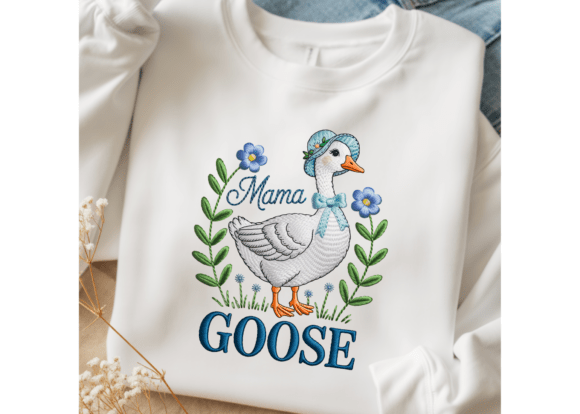
Machine Embroidery Texture Craft Style Review
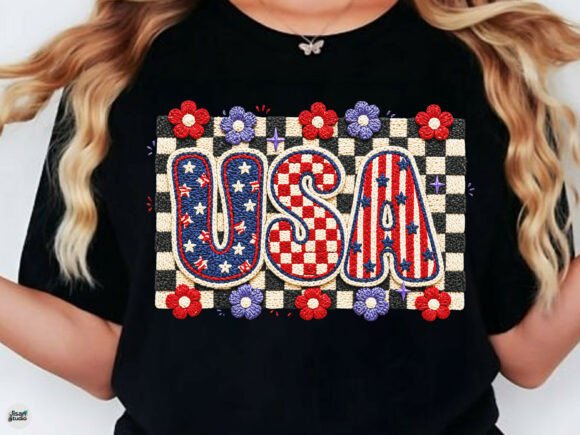
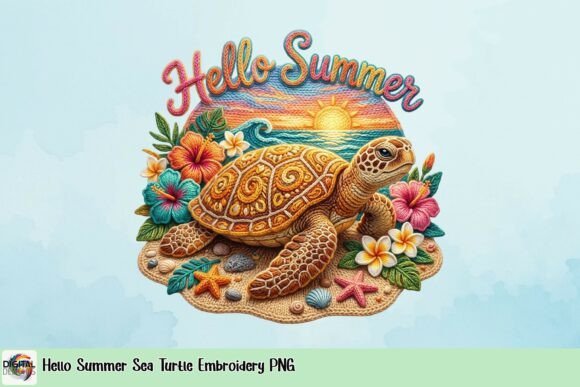
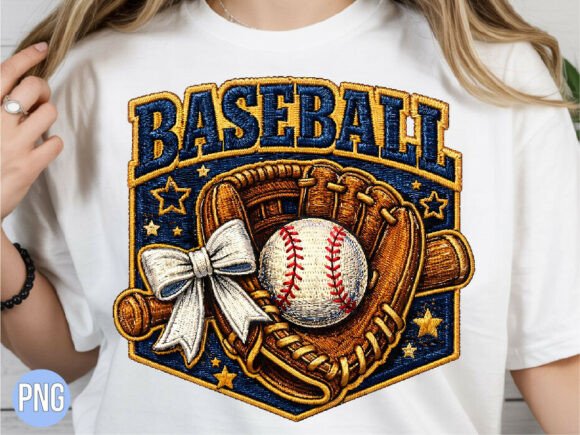
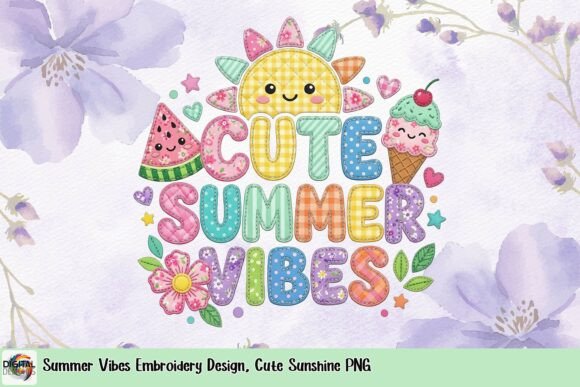
As I prepare my booth inventory for the upcoming weekend craft fair, evaluating every machine embroidery design is critical to ensuring a profitable market day. When reviewing the Machine Embroidery Texture Craft Style, my immediate focus is on its ability to bridge the gap between digital precision and organic artistry. The description promises a realistic stitched effect that mimics handmade artistry, specifically targeting sewing enthusiasts. From a professional designer’s perspective, this suggests a graphic that relies heavily on visual tactility rather than flat color fills. For a craft fair product, this texture is the primary selling point; it invites customers to reach out and touch the display items, which is often the deciding factor in converting a browser into a buyer.
Evaluating Visual Appeal for Market Displays
The first impression of Machine Embroidery Texture Craft Style leans distinctly toward a modern rustic aesthetic with a premium handmade feel. It does not read as a cartoonish or overly simplistic clip-art file; instead, it communicates quality and intentionality. In a bustling market environment where visual noise is high, this design stands out because it respects the medium of thread. It feels authentic to the fiber arts community, making it an ideal candidate for shoppers who value genuine craftsmanship over mass-produced graphics. While categorized under T-Shirt Designs, the textural nature of this artwork suggests it will perform exceptionally well on natural fibers like canvas, linen, and cotton duck, which are staples in my current production lineup.
Best Product Applications Beyond Apparel
Although marketed as a t-shirt graphic, limiting this embroidery file to apparel would be a missed opportunity for a diversified shop. Based on the stitch structure implied by the "texture craft" style, I have identified several high-potential applications for my table display:
- Tote Bag Design: Canvas totes provide a stable foundation for textured stitching. The weight of the fabric supports dense stitch areas without puckering, allowing the realistic effect to shine.
- Apron Embroidery: Sewing enthusiasts love aprons that reflect their passion. This design serves as a meta-commentary on the craft itself, making it a perfect gift item for fellow makers.
- Tea Towel Embroidery: Linen tea towels offer a beautiful contrast to raised textures. However, care must be taken with stabilization to prevent the towel's weave from distorting the design.
- Embroidered Patch: Creating standalone patches allows customers to customize their own gear. The tactile quality of this design translates beautifully to twill or felt patch bases.
- Fabric Pouches and Zipper Bags: Small functional items are excellent impulse buys at fairs. The design works as a focal point on zipper pulls or bag fronts.
Production Practicality and Booth Strategy
For a small business owner or Etsy seller, time is money. Machine Embroidery Texture Craft Style appears to be highly repeatable for batch production, provided the stitch density is managed correctly. Textured designs can sometimes be stitch-heavy, so I recommend running a timing test before committing to a full production run. If the design runs efficiently, it becomes a reliable staple for both physical markets and online listings. Photographing textured embroidery requires specific lighting techniques; side-lighting is essential to cast micro-shadows that reveal the depth of the stitches. Flat, front-facing flash photography will flatten the image and negate the "realistic stitched effect" that defines this product. For digital sellers offering this as a digital embroidery file, providing a high-quality printable mockup that accurately represents the texture is non-negotiable for customer satisfaction.
Critical Technical Considerations for Success
While the aesthetic is appealing, technical execution determines whether a handmade product looks professional or amateurish. When working with Machine Embroidery Texture Craft Style, several caution points must be addressed during the sampling phase:
- Dense Stitch Areas: Texture often equals density. Always verify the total stitch count against your machine’s capabilities and the fabric’s weight. Excessive density on lightweight knits can cause tearing or bullet-proofing.
- Stabilizer Selection: Do not rely solely on tear-away stabilizers for textured designs on stretchy fabrics. A cut-away or no-show mesh is often required to maintain registration and prevent the design from pulling the garment out of shape.
- Fabric Texture Interaction: Test this design on terry cloth and waffle weave before producing tea towels. The pile of the fabric can swallow fine texture details, requiring a topping or water-soluble film to keep stitches visible.
- Curved Surfaces: If applying this to caps, ensure the design has been digitized specifically for curved surfaces. Flat texture designs often distort or gap when wrapped around a hat frame.
- Small Lettering and Details: If the design includes text elements within the texture, verify legibility at smaller sizes. Complex textures can make thin serifs or small fonts disappear visually.
Designer Notes for Commercial Viability
Before listing any finished item derived from Machine Embroidery Texture Craft Style, conduct a rigorous quality assurance protocol. I always create at least one physical sample on the exact fabric texture intended for sale. Check thread colors against the fabric in natural daylight; what looks good on a screen may lack contrast in person. Confirm the hoop size requirements early to avoid realizing mid-production that you need specialized equipment. Furthermore, review the licensing terms associated with the design assets. Ensure you have the right to sell finished products commercially, especially if you plan to scale beyond local fairs to wholesale or large-scale e-commerce.
Ultimately, Machine Embroidery Texture Craft Style offers significant potential for creative entrepreneurs who understand their audience. It speaks directly to the sewing enthusiast demographic by validating their love for tactile creation. Whether used as a bold statement on a market tote or a subtle accent on a maker’s apron, its success lies in honoring the physical properties of thread. By treating this graphic not just as a digital file but as a blueprint for a tangible, touchable experience, you elevate your brand consistency and increase buyer engagement. Remember to check all specific file specifications, including format compatibility and commercial license details, directly from the source before beginning your production run. This diligence ensures that every item leaving your studio meets the high standards expected by the handmade community.