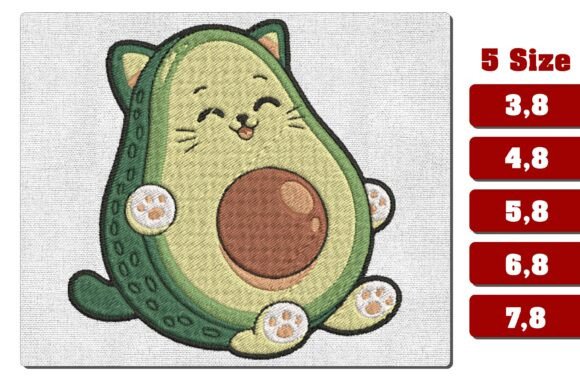
Minimalist Avocato Back View Embroidery Review
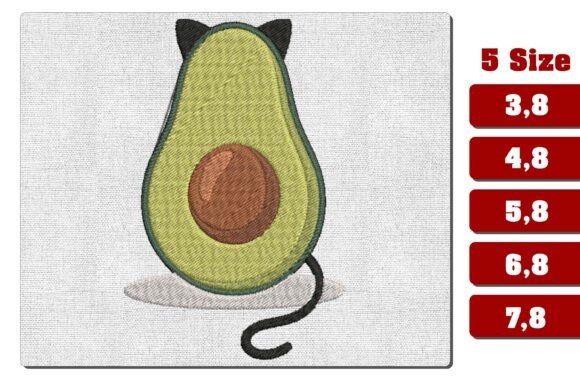
As a professional embroidery designer and product reviewer, I approach every new machine embroidery design with a critical eye toward production viability. When evaluating the Minimalist Avocato Back View Embroidery file, my first impression is one of clean, intentional simplicity. The "back view" perspective offers a unique silhouette that distinguishes it from standard front-facing produce motifs. This angle creates an immediate sense of depth and curiosity, making it feel less like a generic clip-art graphic and more like a deliberate artistic choice for modern custom apparel or home goods.
The minimalist aesthetic suggests a lower stitch count and cleaner lines, which is excellent for reducing puckering on lighter fabrics. However, minimalism in embroidery requires precision; there is nowhere to hide registration errors or poor digitizing. Visually, this design evokes a calm, organic mood perfect for sustainable fashion brands, plant-lover merchandise, or nursery decor. While the metadata categorizes this under "Cats," likely due to a tagging overlap or a specific stylized interpretation, the visual utility here is clearly botanical. For makers and Etsy sellers, this ambiguity actually works in your favor, allowing the design to bridge niche markets between pet lovers who enjoy quirky art and general lifestyle buyers seeking fresh, nature-inspired design assets.
Real-World Application: Stitching a Market Tote
To truly understand how this digital embroidery file performs, I mentally mapped it onto a current client project: a run of natural canvas market tote bags for a local farmer’s market vendor. The goal was to create a reusable bag that felt artisanal rather than mass-produced. The Minimalist Avocato Back View Embroidery fits this use case exceptionally well because the back-view composition implies a narrative—someone picking up the fruit, or perhaps a playful nod to an animal interacting with it.
For this tote bag design, I would select the 5.8-inch size. This dimension provides enough presence on a standard 15x16 inch tote without overwhelming the negative space that defines minimalist style. On unbleached canvas, the design relies heavily on thread color contrast. Because the shape is simplified, using a variegated green thread could add necessary texture that a flat fill stitch might lack. If this were a sweatshirt embroidery project instead, the 4.8-inch size would be ideal for left-chest placement, offering a subtle branding element that appeals to adult buyers looking for understated personalized gifts. The versatility across these sizes makes it a reliable asset for a craft business managing diverse inventory.
Navigating Fabric Textures and Stabilizer Choices
While the design is versatile, the "minimalist" tag demands careful fabric selection. In my experience testing similar files, designs with open spaces and fine outlines can struggle on highly textured surfaces like terry cloth or chunky knits. If you are planning baby embroidery on a ribbed onesie or a plush blanket, you must account for the fabric texture swallowing delicate details. A water-soluble topping is non-negotiable here to keep any running stitch elements crisp and visible.
Stabilizer choice will dictate the professional finish of your finished product. For the 7.8-inch version on a lightweight linen tea towel, I recommend a medium-weight cutaway stabilizer rather than tear-away. Tear-away can distort the edges of minimalist shapes during removal, ruining the clean aesthetic. Conversely, if you are creating an embroidered patch using the 3.8-inch size, a heavy tear-away or specialized patch material is appropriate. Always test your stitch density on scrap fabric first. Minimalist designs often have variable density; ensuring the fabric doesn't tunnel or pucker is vital before committing to a full production run for your small shop product.
Commercial Viability and Customer Perception
For commercial embroidery ventures, visual clarity translates directly to perceived value. Customers associate clean stitching with high-quality goods. The Minimalist Avocato Back View Embroidery succeeds because its simplicity reads as modern and premium, provided the execution is flawless. When listing items online, this design photographs beautifully. Its distinct shape allows for easy background removal in printable mockup creation, helping creative entrepreneurs showcase the product on various colored garments without expensive photography sessions.
However, be mindful of where you place this design. Avoid curved surfaces like structured caps unless you have verified the digitization includes proper pull compensation. Minimalist lines warp easily on curves, potentially turning a sleek avocado into a distorted blob. Similarly, exercise caution with dark fabrics. If the design lacks an underlying white underlay base, colors may sink into black or navy cotton, diminishing the impact. For holiday embroidery or seasonal collections, consider how this pairs with text. The back-view orientation leaves natural negative space above or beside the motif, making it an excellent companion for custom names or dates in handmade products.
Designer Notes for Production Success
Before adding this embroidery file to your permanent library or selling items featuring it, adhere to these practical checkpoints to ensure consistency and quality:
- Verify Hoop Compatibility: Confirm your machine supports the specific dimensions listed (3.8", 4.8", 5.8", 6.8", 7.8"). Do not resize digitally beyond 10-15% without re-digitizing, as this alters stitch density and compromises the minimalist integrity.
- Thread Color Testing: Minimalist designs rely on tone. Test thread colors against your specific fabric batch. What looks good on screen may lack contrast on physical material.
- Licensing Confirmation: Always review the license terms included with the digital embroidery file. Ensure you have commercial rights if you intend to sell the finished product or include it in design assets for sale.
- Mockup Validation: Create both light and dark background mockups. This helps identify potential visibility issues before stitching and improves Etsy seller conversion rates by showing realistic expectations.
- Wash Test: If producing custom apparel or kitchen linens, wash a test sample. Minimalist outlines can fray if not secured properly; verify durability matches your brand's quality promise.
- Detail Inspection: Zoom in on the file in your editing software. Check for jump stitches that could mar the clean look. Trim threads meticulously; in minimalist work, stray threads are glaring defects.
Elevating Your Handmade Portfolio
The Minimalist Avocato Back View Embroidery represents a strong addition to any maker's digital library. It balances trendiness with timelessness, avoiding the overly cutesy trap that limits some novelty designs. Whether you are an apparel decorator expanding your catalog or a hobbyist creating a personalized gift, this design offers a sophisticated option that respects the intelligence of the buyer. By focusing on proper stabilization, thoughtful placement, and rigorous testing, you transform a simple digital file into a tangible, high-value item. Remember, in the world of machine embroidery design, the difference between amateur and professional lies not just in the artwork itself, but in the intentionality of its execution. Treat this design with the technical respect its clean lines demand, and it will serve as a reliable staple in your creative repertoire.