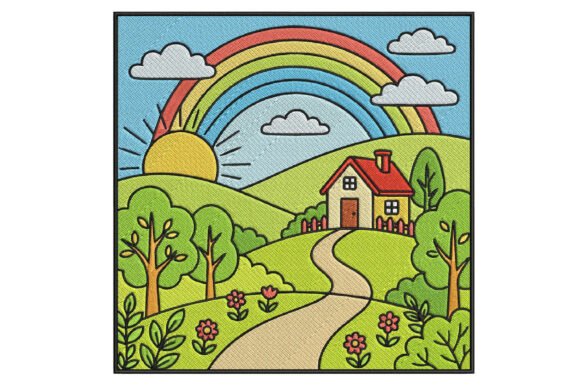
Rainbow Landscape Embroidery Design Review
As I prepare my inventory for the upcoming weekend craft fair, I am constantly evaluating which digital assets will translate best into physical sales. When reviewing the Rainbow Landscape Embroidery Design, my primary focus is on its commercial viability for handmade products. This machine embroidery design promises a peaceful and colorful aesthetic, specifically targeting the nursery category. However, as an experienced designer and seller, I know that a file’s success depends entirely on how it performs on fabric under booth lighting and whether it justifies a premium price point for finished goods.
First Impressions and Booth Appeal
My initial assessment of this embroidery file suggests a soft, whimsical charm rather than a bold, graphic statement. The description highlights a "scenic count," implying a blend of landscape elements with rainbow motifs. For a craft fair table display, this design reads as gentle and nostalgic. It does not scream for attention from twenty feet away like high-contrast typography might; instead, it invites customers to step closer to appreciate the detail. This is a crucial distinction for booth strategy. While it may not be your primary traffic stopper, it serves as an excellent emotional connector once a customer is already engaged at your table.
The color palette inherent in a rainbow landscape naturally lends itself to pastel or saturated thread colors, depending on your brand identity. For nursery-themed items, softer variegated threads often photograph better and appeal more to modern parents than primary colors. As an Etsy seller or boutique maker, you must decide if this design aligns with your existing color story. If your shop focuses on rustic farmhouse decor, this might feel too playful. However, for sellers specializing in baby gifts, children’s apparel, or cheerful cottage-core aesthetics, this design asset fits perfectly into a cohesive product line.
Best Product Applications for Market Sales
Determining where to stitch this design is just as important as the stitching itself. Based on the scenic nature and likely stitch density, here is my evaluation of specific craft fair products:
- Nursery Pillow Covers: This is the strongest application. The landscape format typically suits rectangular lumbar pillows or standard square shams. The peaceful theme aligns directly with the nursery category, making it a high-value gift item.
- Tote Bag Design: A canvas tote featuring this scene works beautifully as a "mom bag" or library bag. Ensure the design is centered and large enough to be seen when the bag is slung over a shoulder.
- Tea Towel Embroidery: Flour sack towels are ideal here. The lighter weight fabric allows for detailed scenery without excessive puckering, provided you use the correct stabilizer. These make excellent impulse-buy gifts.
- Embroidered Patches: If the design has clean edges and manageable size, converting it into a patch for denim jackets or backpacks can expand your demographic beyond the nursery niche.
- Apron Embroidery: Place this on the chest pocket area or lower hem. Avoid center-chest placement on adult aprons unless the design is scaled appropriately, as landscapes can look distorted on curved bodies.
I would advise caution when applying this to caps. Landscapes often have horizontal lines or horizons that warp easily on curved cap surfaces. Unless you have tested this specific embroidery file on a structured hat with perfect results, stick to flat substrates for your initial market run.
Production Practicality and Technical Notes
For batch production, efficiency is key. You need to know if this design runs smoothly without constant thread breaks or registration issues. Scenic designs often involve complex layering and varying stitch densities. Before committing to a full production run for your small shop product line, you must verify the technical specs. Since exact stitch counts and hoop size requirements are not listed in the basic description, checking these details in your embroidery software is mandatory.
Pay close attention to the transition areas between the sky, rainbow, and ground elements. In landscape embroidery, poor digitizing can result in gaps or bulky overlaps. Test the design on scrap fabric that matches your intended finished product. If you are stitching on textured towels or thick canvas, you may need to adjust the pull compensation or add a topping stabilizer to prevent stitches from sinking into the fabric texture. Dark fabrics require careful consideration as well; ensure the rainbow threads have sufficient contrast against the background material, or plan to stitch a white underlay base to make the colors pop.
Careful Use Warnings
While this design is charming, there are specific risks to manage:
- Small Lettering: If the landscape includes tiny text or signage, verify legibility at smaller sizes. Text below 4mm often becomes unreadable after washing.
- Dense Stitch Areas: Landscapes can be stitch-heavy. Hooping multiple layers of stabilizer may be necessary to prevent hoop burn or distortion on delicate nursery fabrics.
- Size Scaling: Do not arbitrarily resize this design down to fit a onesie bib if it was digitized for a 5x7 hoop. Reducing scenic designs by more than 20% often causes stitch overlap and needle breaks.
Marketing and Visual Merchandising Strategy
How you present this handmade product matters. Because "Rainbow Landscape" implies visual complexity, your photography must be sharp. Natural light is essential to capture the true thread colors. For online listings, create a printable mockup to show scale before you stitch every variation, but always include at least one photo of the actual finished product. Customers need to see how the sheen of the rayon or polyester thread interacts with the fabric grain.
In your booth display, group items embroidered with this design together to create a color block effect. A single tea towel might get lost, but a stack of matching towels next to a coordinating pillow creates a curated collection vibe. This increases perceived value and encourages multi-item purchases. For digital sellers offering this as a commercial embroidery file, emphasize its versatility in your listing photos. Show it stitched on three different substrates to demonstrate its adaptability to potential buyers.
Designer Checklist Before Selling
To ensure this design supports a profitable business model, complete this pre-production checklist:
- Verify Licensing: Confirm the commercial license terms allow for selling finished physical products. Some licenses restrict mass production or require credit.
- Thread Contrast Test: Stitch out on your lightest and darkest intended fabrics to ensure visibility.
- Stabilizer Match: Select the appropriate backing (cut-away vs. tear-away) based on the fabric stretch and design density.
- Hoop Size Confirmation: Ensure your machine’s hoop accommodates the design with adequate margin for proper tension.
- Wash Test: Launder one sample to check for shrinkage or thread bleeding, especially with multi-colored rainbow designs.
The Rainbow Landscape Embroidery Design holds significant potential for creators in the nursery and gift market. Its strength lies in its emotional resonance and decorative versatility. By approaching this design with a critical eye toward production realities and customer preferences, you can transform a simple digital file into a best-selling craft fair staple. Remember, successful selling is not just about beautiful digitizing; it is about the intersection of art, technical execution, and market understanding. Always prioritize testing and quality control to maintain the reputation of your handmade brand.