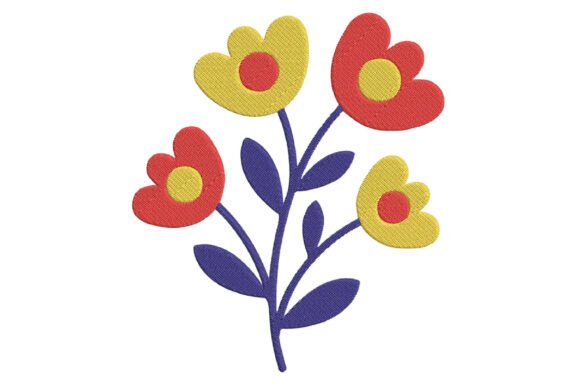
Retro Flower Embroidery Design: A Maker’s Review
As an embroidery designer preparing for a busy weekend craft fair, my selection process is ruthless. I cannot afford to hoop designs that are ambiguous, overly complex for quick production, or visually lost in a crowded booth display. When evaluating the Retro Flower Embroidery Design for my upcoming market table, I am looking for more than just digital aesthetics; I am assessing its viability as a high-turnover craft fair product. This specific machine embroidery design promises a bright and cheerful touch with a playful arrangement, but how does that translate to physical sales? Here is my professional assessment of using this design across tote bags, aprons, tea towels, and giftable items.
First Impressions and Booth Appeal
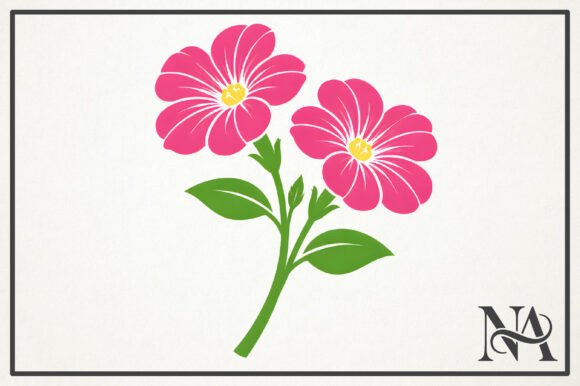
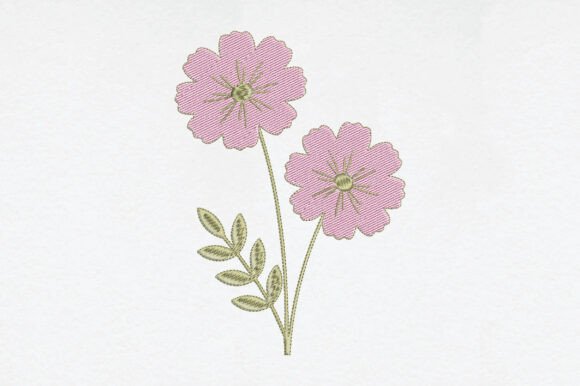
The immediate strength of the Retro Flower Embroidery Design lies in its nostalgic yet vibrant aesthetic. In the context of a handmade market, "retro" currently signals warmth, sustainability, and joy to buyers. Upon reviewing the artwork, this design reads as bold and decorative rather than minimal or austere. It possesses the visual weight necessary to stop a customer walking past a booth. Unlike intricate lace or dense scenic embroidery that requires close inspection, this floral arrangement offers instant readability from three feet away. For an Etsy seller or boutique maker, this instant recognition is crucial. The playful nature of the flowers suggests it will photograph beautifully for online listings, translating well into both lifestyle shots and clean printable mockup presentations.
Best Applications for Market Products
Not every substrate supports a retro floral motif equally. Based on the design's description as a playful arrangement within the Single Flowers category, I have identified the highest-potential applications for commercial success.
- Tote Bag Design: This is the primary candidate. Canvas tote bags provide a stable, flat surface that allows the retro colors to pop against natural cotton. The design serves as a perfect focal point centered on the bag, appealing to customers seeking eco-friendly accessories with vintage flair.
- Apron Embroidery: Retro florals are synonymous with mid-century domestic charm. Placing this design on the bib or lower pocket of a linen or cotton apron creates an immediate emotional connection. It elevates a utilitarian item into a premium handmade product.
- Tea Towel Embroidery: Kitchen textiles are high-volume sellers at fairs. However, because terry cloth has significant texture, this design works best when placed on a smooth woven border or a flour sack towel rather than directly on thick pile fabric.
- Embroidered Patch: If the design has a clean outline or satin stitch border, it can be produced as a standalone patch. Patches are excellent low-cost add-ons at craft fairs and allow customers to customize their own denim jackets without buying a full garment.
Production Viability and Batch Efficiency
For a small shop owner or creative entrepreneur, time is money. The Retro Flower Embroidery Design appears optimized for batch production. Floral arrangements in this style typically utilize fill stitches and satin borders that run efficiently without excessive color changes or trims. This makes it ideal for hooping multiple items at once. When producing for a weekend market, I need a design that maintains consistent registration across twenty tea towels or ten caps. The "playful arrangement" described implies organic shapes, which are generally forgiving regarding minor alignment shifts compared to rigid geometric patterns. Furthermore, as a digital embroidery file, it likely scales reasonably well, allowing me to use the same asset for a large market bag and a smaller cosmetic pouch, maximizing the ROI on my design assets.
Critical Technical Considerations
While the aesthetic is strong, practical execution requires vigilance. As with any commercial embroidery project, assumptions can lead to ruined inventory. Before committing to a full production run, consider these technical constraints:
- Stitch Density and Fabric Texture: Retro styles often involve solid fill areas. If stitching on textured towels or waffle weave, you must use a water-soluble topping to prevent stitches from sinking. High density on lightweight fabrics may cause puckering; always verify the stabilizer weight matches the fabric.
- Curved Surfaces: While this design is excellent for flat goods, exercise caution with caps. Unless the file was specifically digitized for curved surfaces, a flat floral arrangement may distort on the crown of a hat. Test on a scrap cap first.
- Small Details and Scaling: If resizing the design down for baby bibs or pockets, check for tiny details. Retro petals can become indistinguishable blobs if reduced below 60% of original size. Always confirm legibility before mass production.
- Thread Colors and Contrast: "Bright and cheerful" relies entirely on thread selection. Ensure your chosen palette contrasts sufficiently against dark fabrics. A yellow retro flower disappears on cream canvas but sings on navy denim.
Designer Notes for Commercial Success
To ensure the Retro Flower Embroidery Design performs as a profitable small shop product, follow this pre-production checklist. Do not skip these steps based solely on the digital preview.
- Verify Specifications: Check the included documentation for exact stitch count, recommended hoop size, and color sequence. Never assume compatibility with your machine’s maximum field size.
- Confirm Licensing: Before selling finished goods, review the license terms. Ensure you have the right to sell physical products embroidered with this file commercially.
- Create Physical Mockups: Digital renders do not capture thread sheen or texture. Stitch out at least one sample on your intended sale fabric. Photograph this real sample for your Etsy listing to build buyer trust.
- Test Stabilizer Combinations: Run a test on scrap fabric using your planned stabilizer. Inspect the back for bobbin thread show-through and the front for registration errors.
- Evaluate Color Fastness: Since this is a "bright" design, ensure your threads are colorfast, especially for tea towels and aprons that will be washed frequently. Vintage aesthetics should not fade after one laundry cycle.
Enhancing Brand Value Through Design Choice
Ultimately, the Retro Flower Embroidery Design is more than a pretty picture; it is a strategic business tool. Its cheerful, nostalgic vibe aligns perfectly with current consumer desires for comfort and artisanal quality. By applying this design thoughtfully across compatible substrates like totes and aprons, and respecting the technical requirements of stitch density and stabilization, you transform a simple embroidery file into a cohesive brand statement. Whether you are stocking a booth for a Saturday market or updating your online shop, this design offers the versatility and visual impact necessary to engage buyers and drive sales. Remember, in the handmade marketplace, the difference between a browse and a purchase often comes down to the tangible quality of the stitch-out. Treat this design with professional rigor, and it will serve as a reliable cornerstone of your product lineup.