Avocado Embroidery: A Designer’s Honest Review
As a professional embroidery designer who regularly sources assets for commercial projects, I approach every new machine embroidery design with a critical eye. When browsing Creative Fabrica for fresh motifs suitable for modern handmade products, the Avocado Embroidery design immediately caught my attention. Food themes are perennial favorites in the crafting community, but they often suffer from cartoonish aesthetics or poor digitization. This review evaluates this specific embroidery file not just as a digital asset, but as a viable component for real-world production on items ranging from kitchen textiles to custom apparel.
First Impressions and Visual Appeal
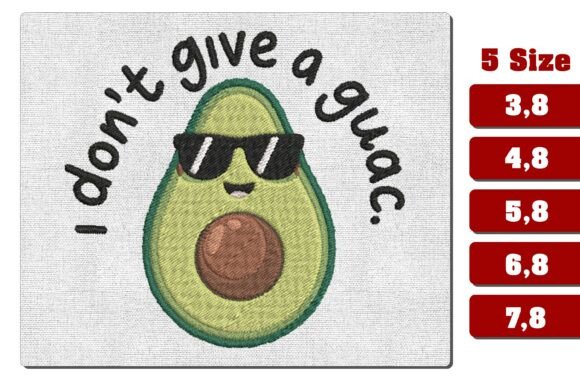
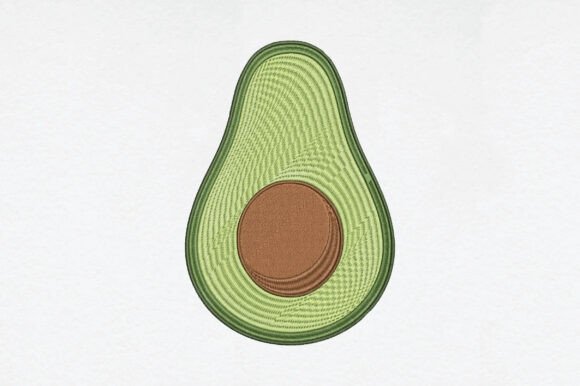
The product description promises a "fresh and modern touch," and visually, the Avocado Embroidery design delivers on that premise. Unlike generic clipart conversions, this design appears to have been digitized with the texture of fabric in mind. The interplay between the creamy interior and the textured skin suggests a thoughtful approach to stitch density and direction. For an embroidery business owner or Etsy seller, visual clarity is paramount. A design must read well both as a thumbnail in a digital listing and as a tactile element on a finished product.
My initial assessment indicates this design strikes a balance between detail and stitch efficiency. It avoids the trap of excessive complexity that can lead to thread breaks or puckering on lighter fabrics. The clean lines suggest it would serve as an excellent centerpiece for a tote bag design or a subtle accent on custom apparel. For those selling design assets or creating printable mockups, the aesthetic versatility here is a strong selling point; it feels equally at home in a boho nursery setting or a modern farmhouse kitchen.
Evaluating Stitch Structure and Technical Performance
Before committing any Creative Fabrica embroidery download to a customer order, I always analyze the technical construction. While the specific stitch count and format details must be verified on the product page, the visual structure of this avocado motif implies specific technical considerations for the user.
- Satin Stitch vs. Fill Stitch: Effective food embroidery relies on distinguishing textures. I look for smooth satin stitch borders to define the seed and skin edge, contrasted with directional fill stitch patterns in the flesh to mimic organic texture. If this design utilizes complex fills, users should ensure their machine tension is calibrated correctly to prevent gaps.
- Running Stitch Details: Fine details like highlights or stem texture often use running stitch. These are the first elements to disappear if resized too small. When planning for small hoop sizes or cap embroidery, verify that these delicate lines remain distinct after scaling.
- Density Management: Avocados have varying densities naturally. A well-digitized file mirrors this. Overly dense areas on lightweight fabrics like tea towels can cause distortion. Conversely, sparse stitching on dark sweatshirts may allow fabric grain to show through. Always review the density map in your editing software before stitching.
Application on Diverse Substrates
The true test of any digital embroidery file is its performance across different materials. Based on the design's characteristics, here is how I anticipate it performing in real production scenarios:
Kitchen Textiles and Aprons: This is the most natural habitat for Avocado Embroidery. Cotton canvas aprons and linen tea towels provide a stable base. However, because kitchen items require frequent washing, ensure the thread colors selected are colorfast and the stabilizer choice prevents long-term puckering. A cut-away stabilizer is often safer than tear-away for designs with significant fill areas to maintain shape integrity after laundering.
Apparel and Sweatshirts: For sweatshirt embroidery, the knit structure presents challenges. The design’s "modern" aesthetic likely pairs well with fleece, but the loft of the fabric can swallow fine details. Using a water-soluble topping is essential here to keep the stitches sitting atop the pile rather than sinking in. This ensures the vibrant greens and creams pop against darker garment colors.
Tote Bags and Patches: As a tote bag design, this motif offers high perceived value. If you intend to create an embroidered patch, check if the design includes a merrowed edge or border option. If not, you may need to add a satin border manually in your software to facilitate cutting. Patches require higher density than direct-to-garment embroidery, so adjustments may be necessary depending on your backing material.
Commercial Viability and Brand Consistency
For small business owners and creative entrepreneurs, time is money. A reliable applique design or detailed fill design saves hours of redigitizing. This Avocado Embroidery file appears robust enough for commercial embroidery use, provided the licensing terms on Creative Fabrica are reviewed carefully. Always confirm whether the license covers physical product sales versus digital redistribution before listing items in your shop.
Beyond legality, consider brand consistency. Does this avocado style match your existing portfolio? If your shop specializes in vintage botanicals, a hyper-modern geometric avocado might clash. However, if you focus on trendy, giftable items, this design enhances your catalog's relevance. High-quality embroidery builds buyer trust; jagged edges or poor registration destroy it. This design’s clean artistry supports a premium handmade product presentation.
Enhancing Product Photography and Mockups
In the digital marketplace, your finished product is only as good as its photograph. The distinct color blocking in this avocado design makes it highly photogenic. When creating listings, utilize the contrast between the green fruit and neutral backgrounds. For sellers who rely on printable mockups before physical sampling, ensure the mockup accurately represents the stitch texture. Flat vector mockups can mislead customers expecting raised embroidery. Investing time in stitching a sample specifically for photography pays dividends in conversion rates.
Practical Notes for Successful Implementation
To maximize success with this Avocado Embroidery design, adhere to these professional best practices:
- Verify File Specifications: Before purchasing, check the included formats (PES, DST, JEF, etc.) and hoop size requirements. Do not assume compatibility with your specific machine without confirmation.
- Test on Scrap Fabric: Never stitch a new design directly onto a sellable item. Test on scrap material identical to your final substrate. Check for registration issues, thread tension, and stabilizer adequacy.
- Thread Color Matching: Screen colors rarely match thread perfectly. Use physical thread charts to select shades that complement each other. Consider using variegated threads for the avocado flesh to add organic depth that solid colors cannot achieve.
- Stabilizer Selection: Match stabilizer weight to fabric weight and design density. For stretchy knits, use fusible cut-away. For woven cottons, medium-weight tear-away or mesh cut-away works best. Proper stabilization is the difference between amateur and professional results.
- Licensing Compliance: Revisit the Creative Fabrica product page to understand usage rights. Some licenses restrict mass production or require attribution. Protecting your business means respecting intellectual property terms.
Final Thoughts for Makers
The Avocado Embroidery design represents a solid addition to the library of any maker focusing on food-themed or lifestyle goods. Its potential applications span from personalized gift items to boutique merchandise, offering flexibility that justifies the investment. By approaching this embroidery file with technical diligence and creative intention, you can transform a simple digital download into a signature element of your handmade brand. Remember, the quality of your finished product depends not just on the design itself, but on your expertise in executing it. Happy stitching!